Design Notes27 May 2025
KAPCHER Team
KAPCHER Architecture | Interiors

Lighting can make or break a space, yet it's almost always an afterthought. We break down how we approach lighting from the first sketch.
Ask any interior designer what single element most transforms a space, and the answer is almost always the same: lighting. Yet in project after project, lighting is treated as a specification exercise rather than a design discipline — selected from a catalogue late in the project, value-engineered at the first opportunity, and installed without a commissioning visit.
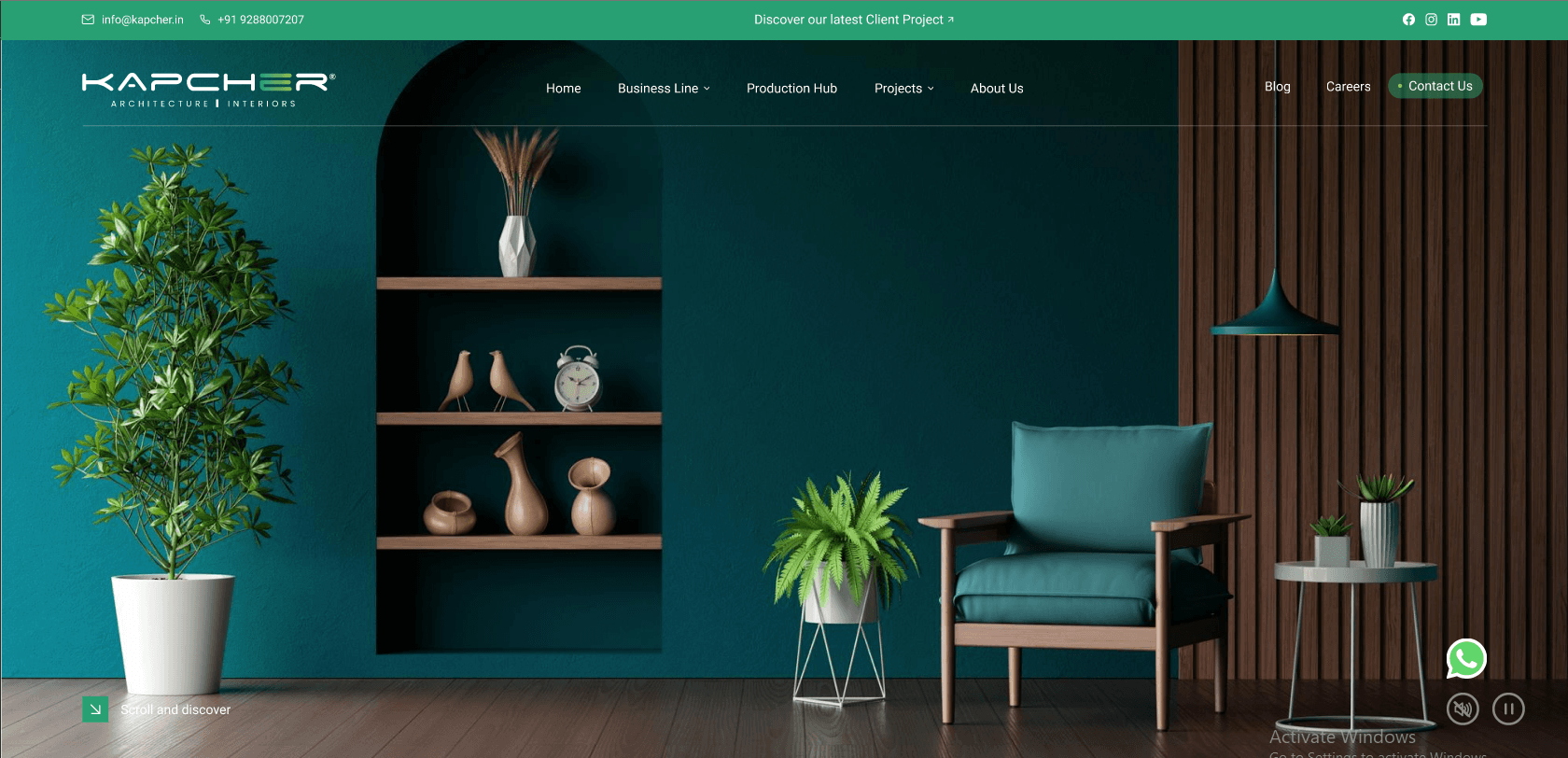
Good lighting design works in layers. Ambient light provides the base level of illumination across the space. Task light delivers the higher levels needed for focused work, cooking, or detailed activities. Accent light highlights architectural features, artwork, or materials. And decorative light — pendants, chandeliers, wall sconces — contributes to the character of the space. Every good interior uses all four layers, calibrated and controllable.